Explore Visual Styles in MVLAND
Start Creating Your Music Video
In the current digital landscape, music and visuals travel together. Something as small as a fifteen second TikTok clip or a looping Spotify Canvas can define how listeners feel about a track. Before they search the lyrics, they experience the mood. In this environment, creators who understand visual identity gain a measurable advantage in reach, retention and fan loyalty.
MVLAND exists to support that shift. It is an AI-powered music video platform that turns audio, emotion and visual direction into professional storyboards and complete music videos. No filming, no editing, no post-production pipelines. Creators simply upload music, describe how it feels, select a character and choose a visual style. MVLAND handles the visual execution and keeps characters consistent across every scene.
Choosing the Right Visual Style in MVLAND
Visual style is the aesthetic language of a music video. It shapes how scenes look, how they feel and how audiences remember them. In MVLAND, style influences lighting, color, texture, camera language, artistic medium and emotional pacing. It is not a filter placed on top of content, but a creative direction that guides the entire output.
Photography and Cinematic
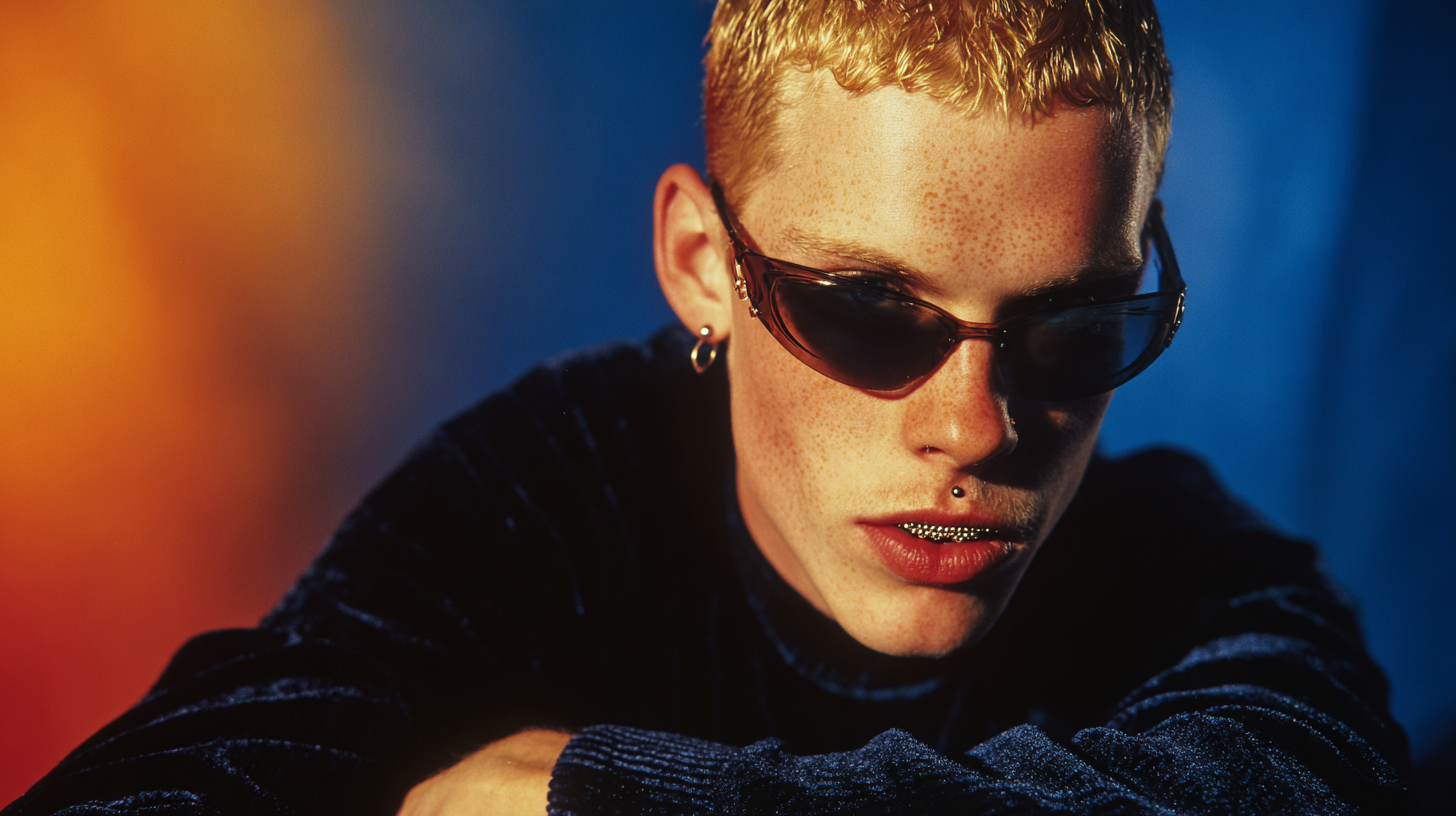
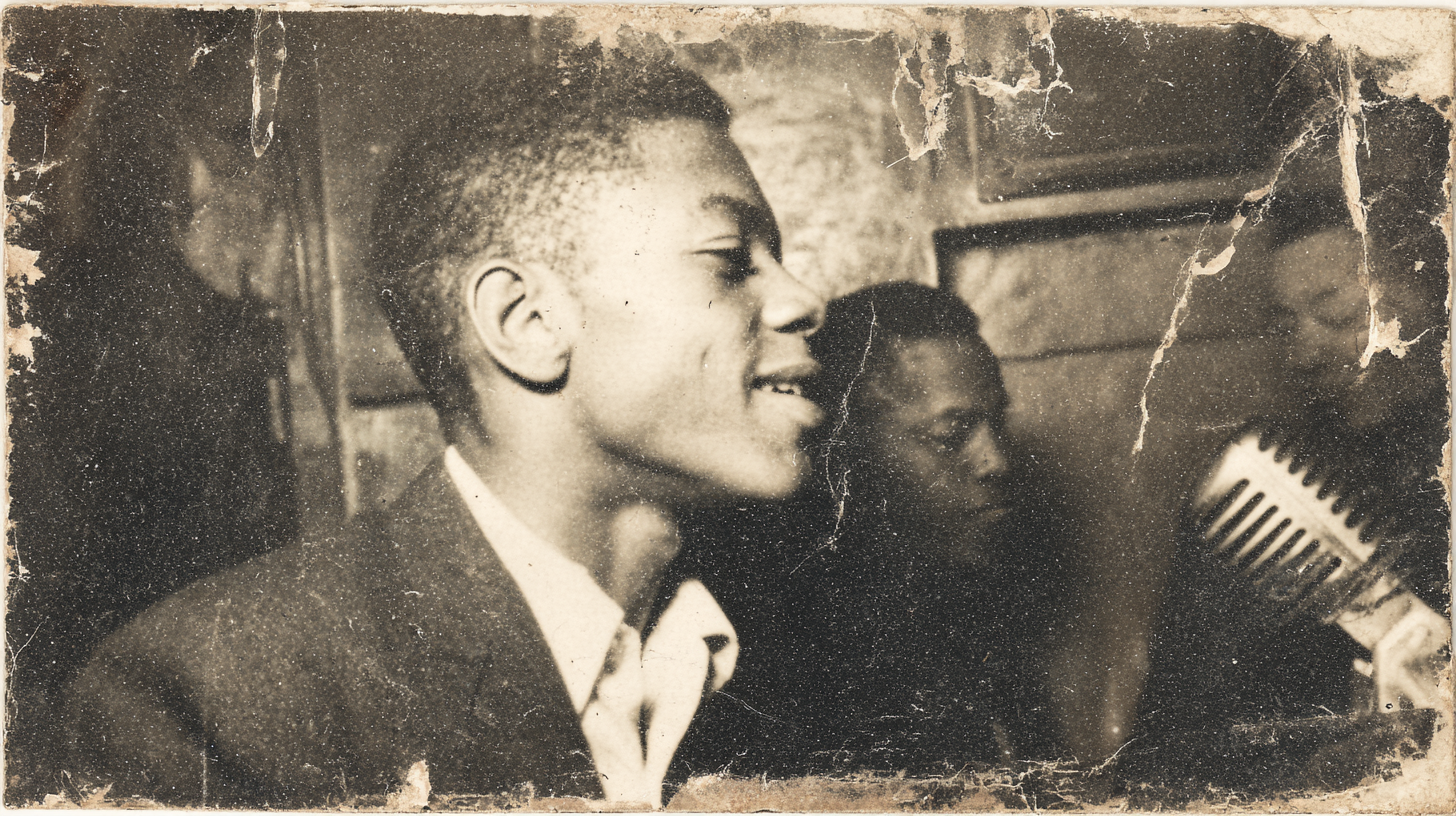
The photographic and cinematic category brings the atmosphere of film into music storytelling. It often includes grainy film textures, vintage tones, soft bokeh, Polaroid surfaces, symmetrical framing and natural light shaping. The result feels intimate and authentic, almost like a scene pulled from a feature film rather than a music video.
Indie, folk, acoustic, rock and pop ballads connect naturally with this visual language because audiences already associate these genres with narrative and emotion.
Art, Illustration and Animation
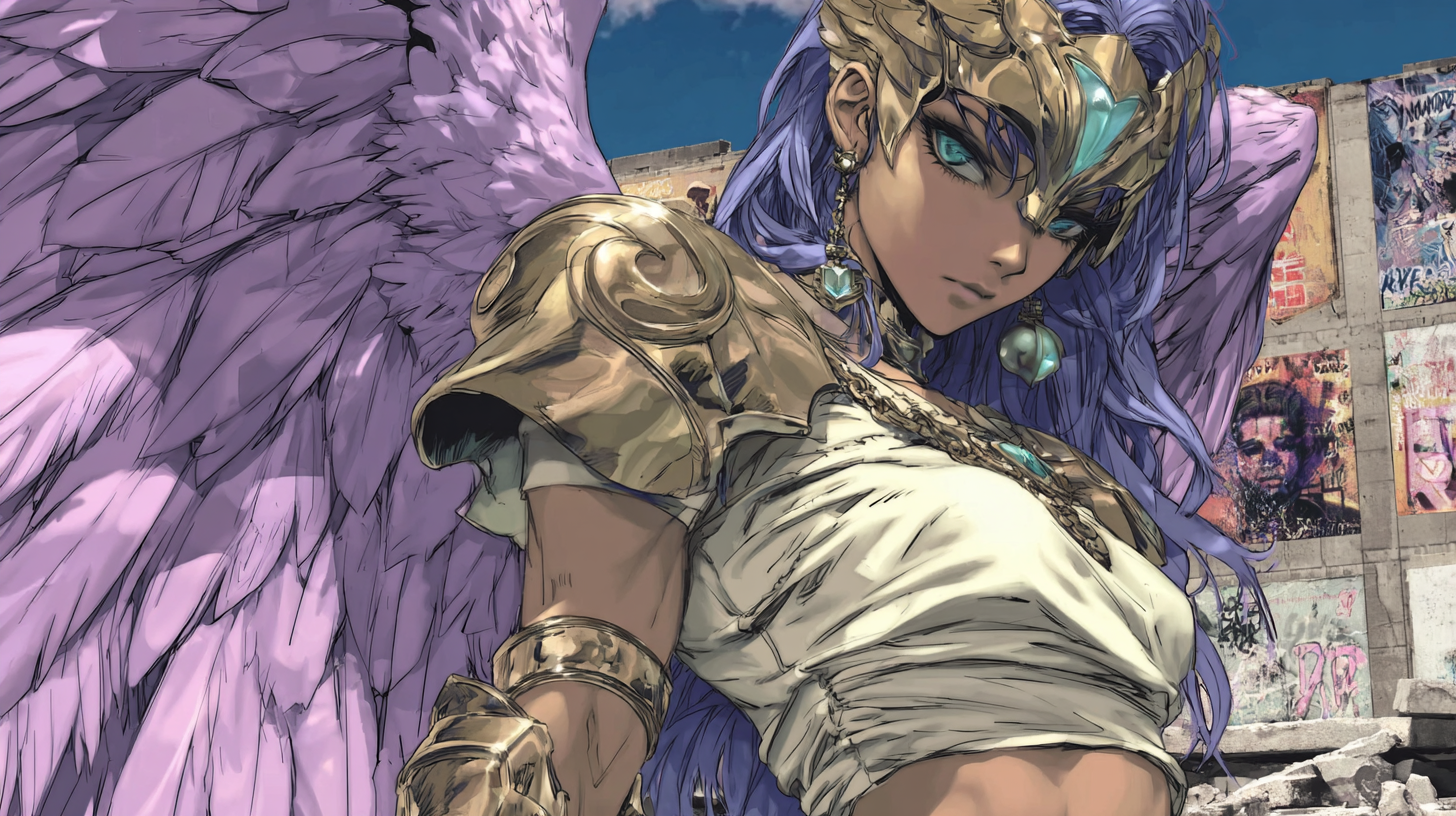
Artistic and animated styles introduce expressive worlds beyond live action. They may resemble Japanese anime, watercolor storybooks, graphic novels, oil paintings or sketchbooks. The tone is emotional, youthful and visually unique.
Lofi hip hop, J pop, bedroom pop, vaporwave and emo rap often thrive in these illustrated spaces. Communities around these genres already share a cultural vocabulary built on anime clips, artistic loops and illustrated thumbnails, which makes these visuals both native and shareable.
Sci Fi, Digital and Future
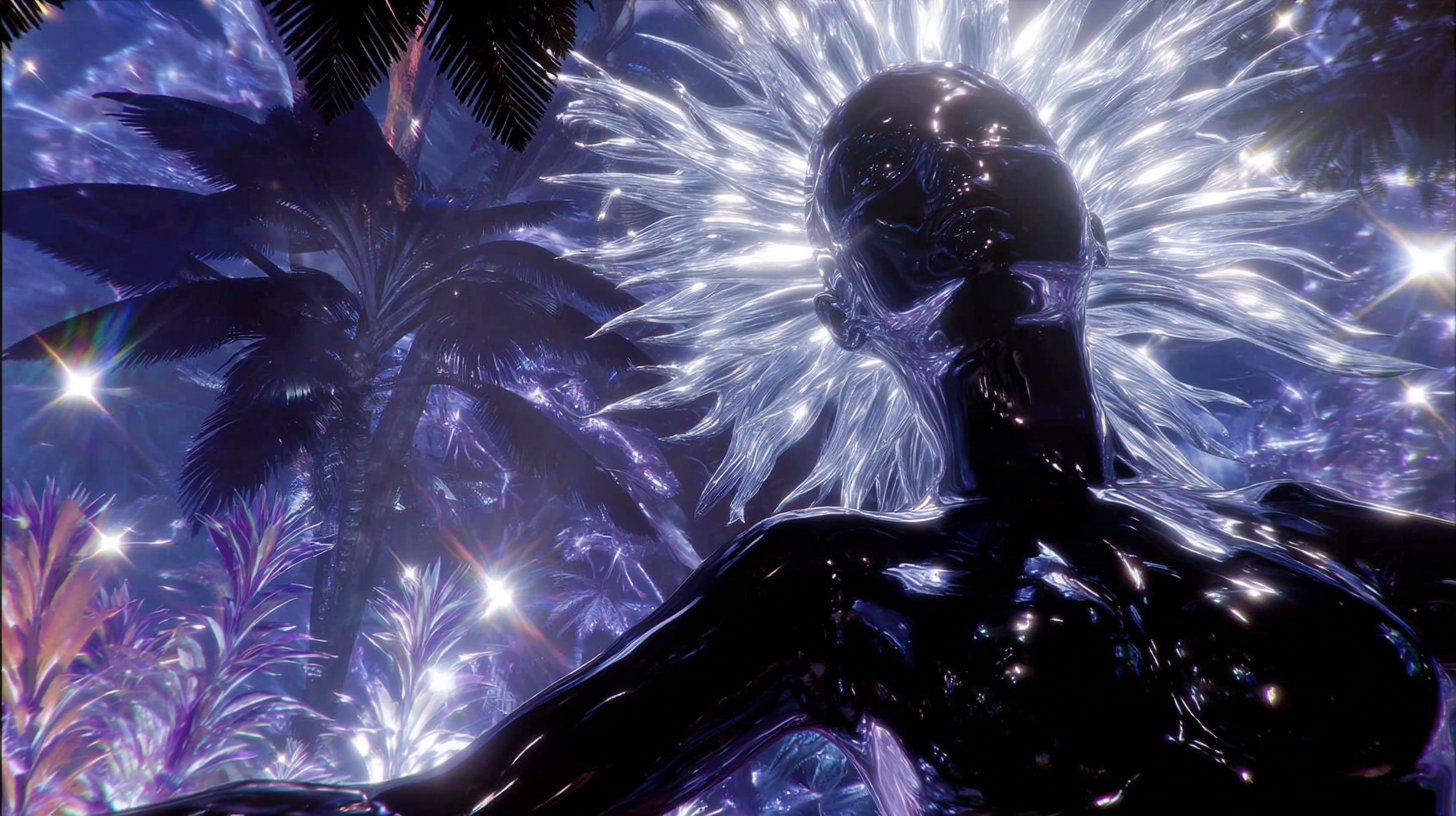
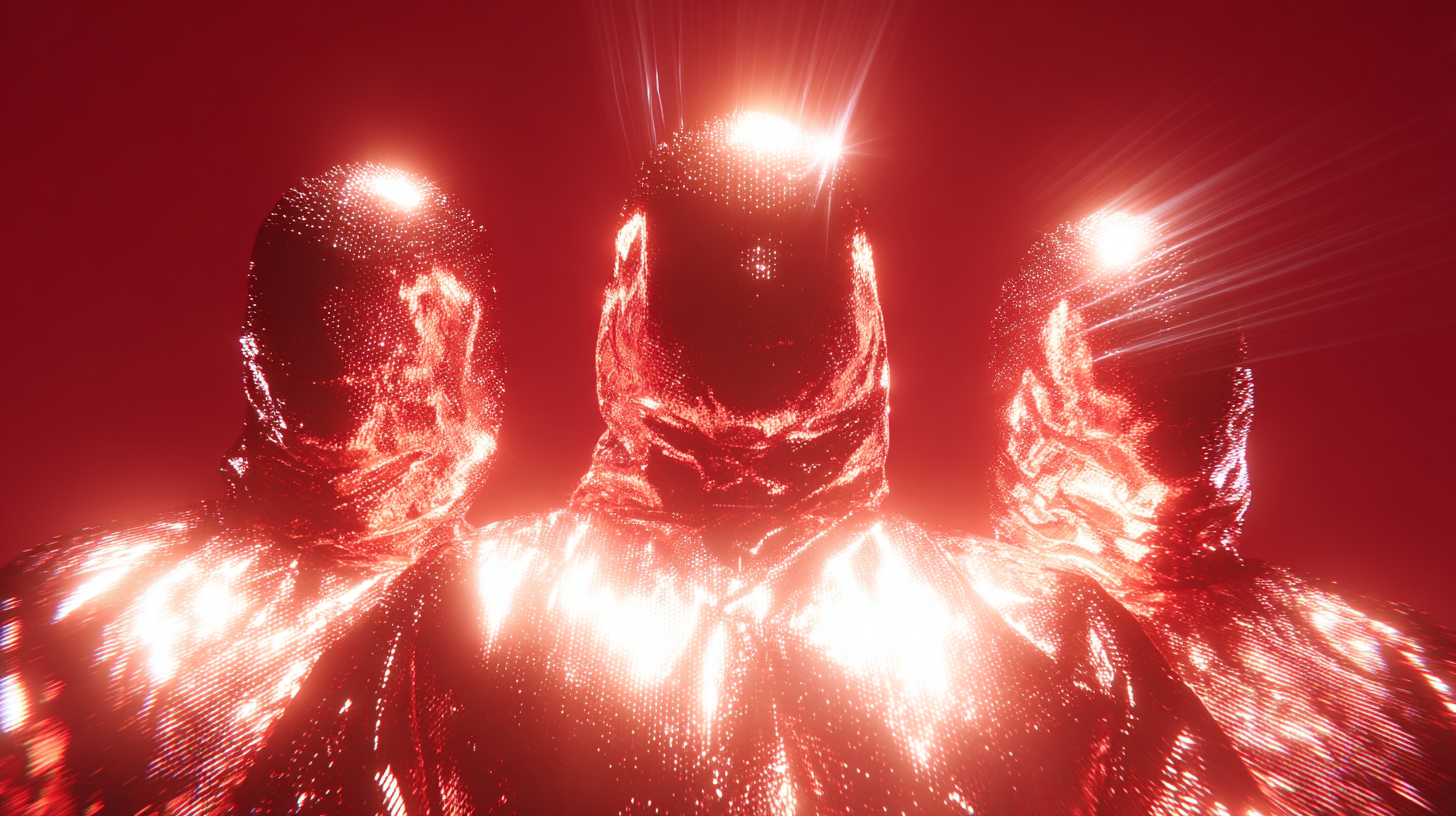
Futuristic aesthetics emphasize digital surrealism. Neon reflections, CGI characters, holographic lighting, Y2K interfaces and glitch motion create high-impact visuals that immediately stand out on platforms saturated with content.
EDM, hyperpop, techno and trance perform exceptionally well in this category because the visuals match the energy, tempo and cultural positioning of the music. Festivals, DJs and digital communities all gravitate toward bold sci fi visuals.
Color and Lighting Driven Aesthetics
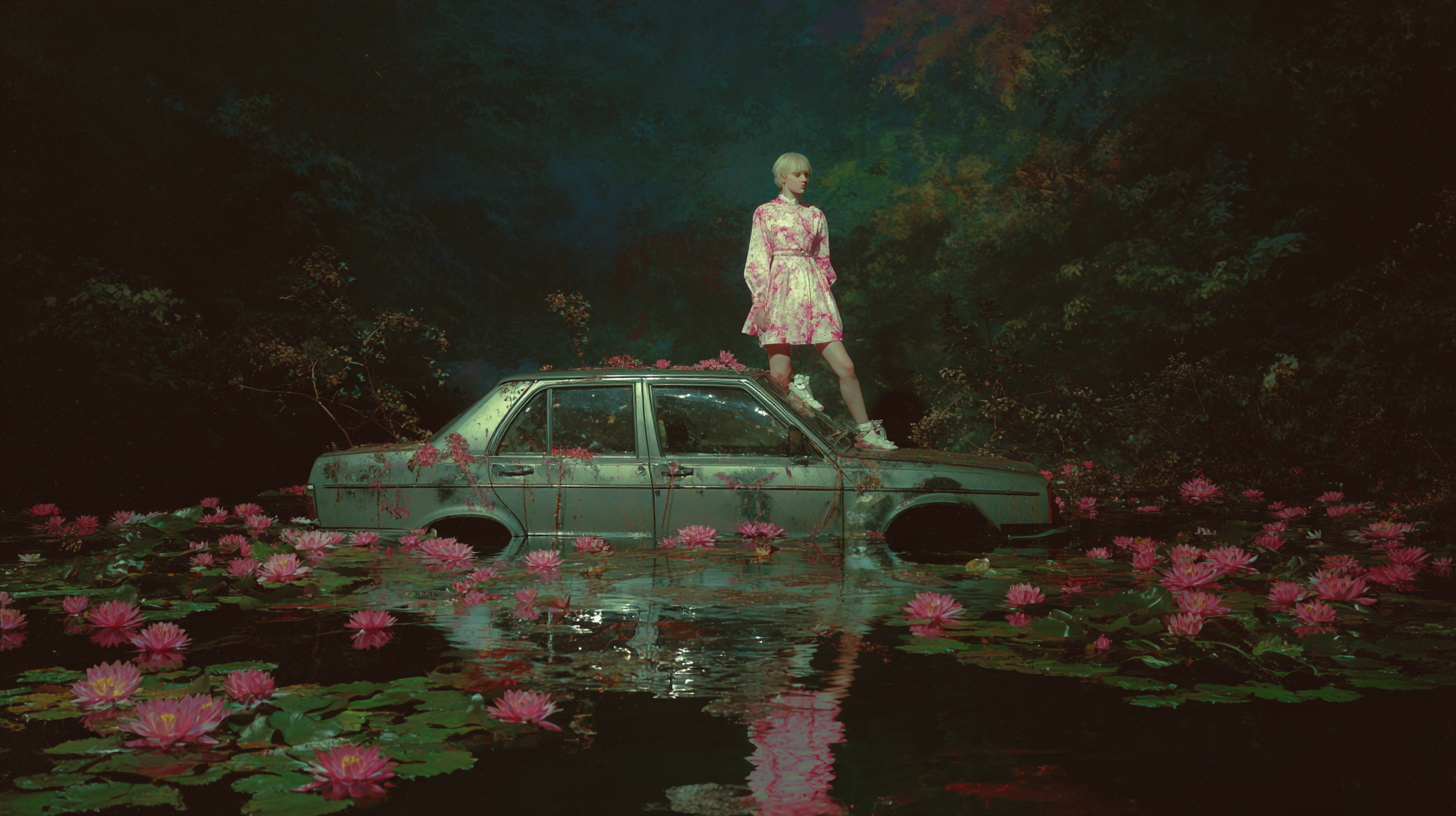
Some visuals are defined by color palettes and lighting rather than setting or characters. Pastel tones communicate softness and dreamlike optimism. Warm golden hour scenes evoke romance and nostalgia. Blue hour scenes feel introspective and cinematic. Neon environments generate adrenaline and tension.
These aesthetics are highly effective on TikTok, Reels and Shorts where the first second must deliver emotion instantly. Viewers process light and color faster than they process narrative, which gives these styles an advantage in short form environments.
Retro and Vintage
Retro and vintage aesthetics activate nostalgia and subcultural memory. They include eighties synth pop posters, nineties camcorder footage, mid century design, disco lighting, dark academia interiors and classic Americana.
Indie rock, synthpop, city pop and alternative genres pair naturally with retro visuals because they already reference historic sounds, eras and aesthetics in their musical identity.
Abstract, Surreal and Mood Centered
Abstract and surreal styles leave realism behind and represent psychological or symbolic states. Scenes may contain floating objects, foggy interiors, dream corridors, vanitas still life or uncanny compositions. The viewer feels rather than interprets.
Ambient, instrumental, experimental and cinematic music thrives in these environments because these genres are built around immersion instead of lyrical storytelling.
How Style Influences Recognition
Although creators can combine styles freely, certain patterns consistently appear in the market. Anime and pastel visuals dominate lofi channels. Neon glitch edits drive EDM festival content. Analog film textures reinforce indie storytelling. Surreal minimal rooms elevate ambient and soundscape music. These patterns matter because platform culture rewards content that speaks the viewer’s visual language quickly and clearly.
When audiences recognize your sound and your visual identity together, you create a brand instead of just a song.